


Overview
Serengeti National Park is one of Africa’s most iconic wildlife destinations, located in northern Tanzania. Spanning approximately 14,750 square kilometers, the park is renowned for its vast open plains, rich biodiversity, and the world-famous Great Migration.
The Great Migration
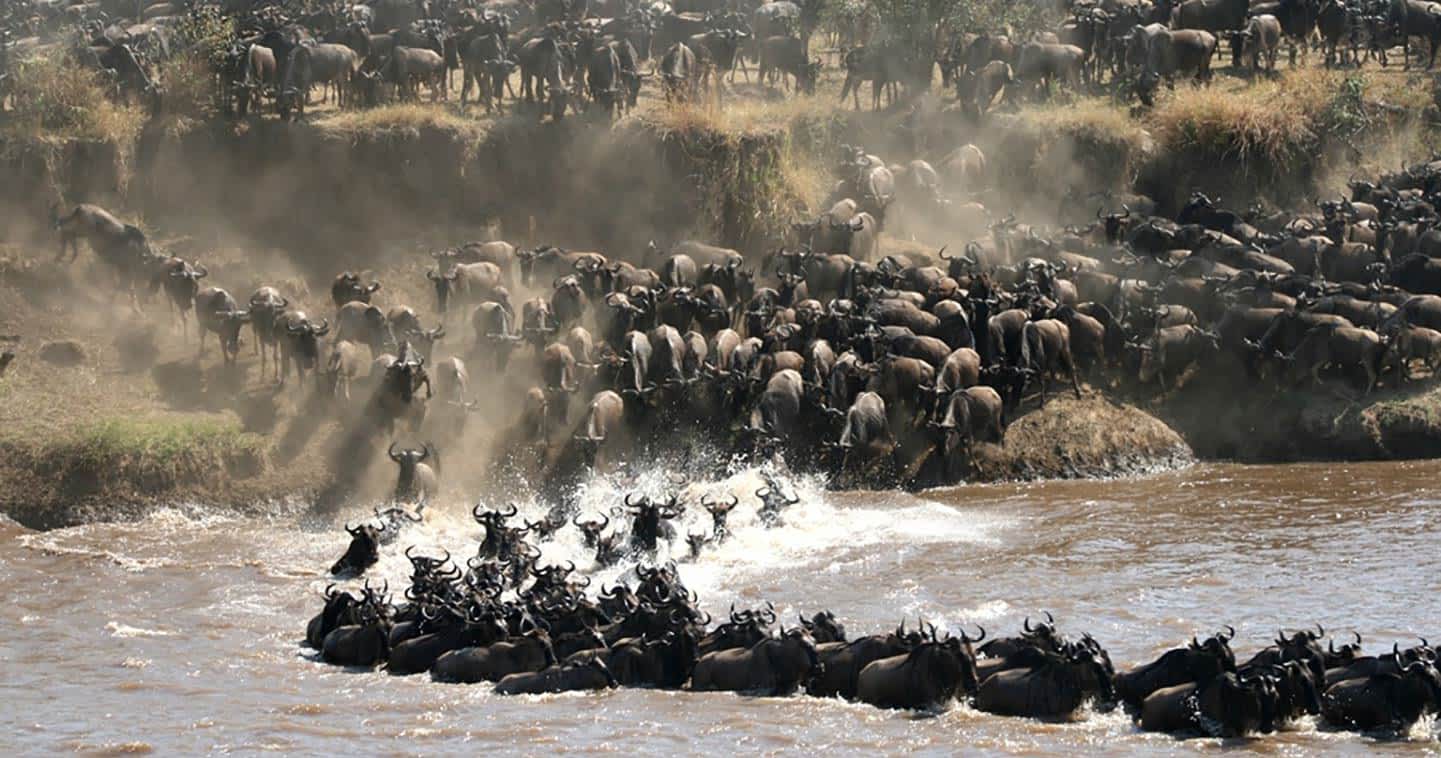
The Serengeti hosts the largest terrestrial mammal migration on Earth, where over 1.5 million wildebeest, along with hundreds of thousands of zebras and gazelles, move in a continuous cycle in search of fresh grazing and water. This spectacular event attracts visitors from around the globe.
Wildlife
The park is home to the “Big Five” — lion, leopard, elephant, buffalo, and rhinoceros — as well as cheetahs, hyenas, giraffes, hippos, crocodiles, and over 500 bird species. The Serengeti’s predator population is among the highest in Africa.
Landscape
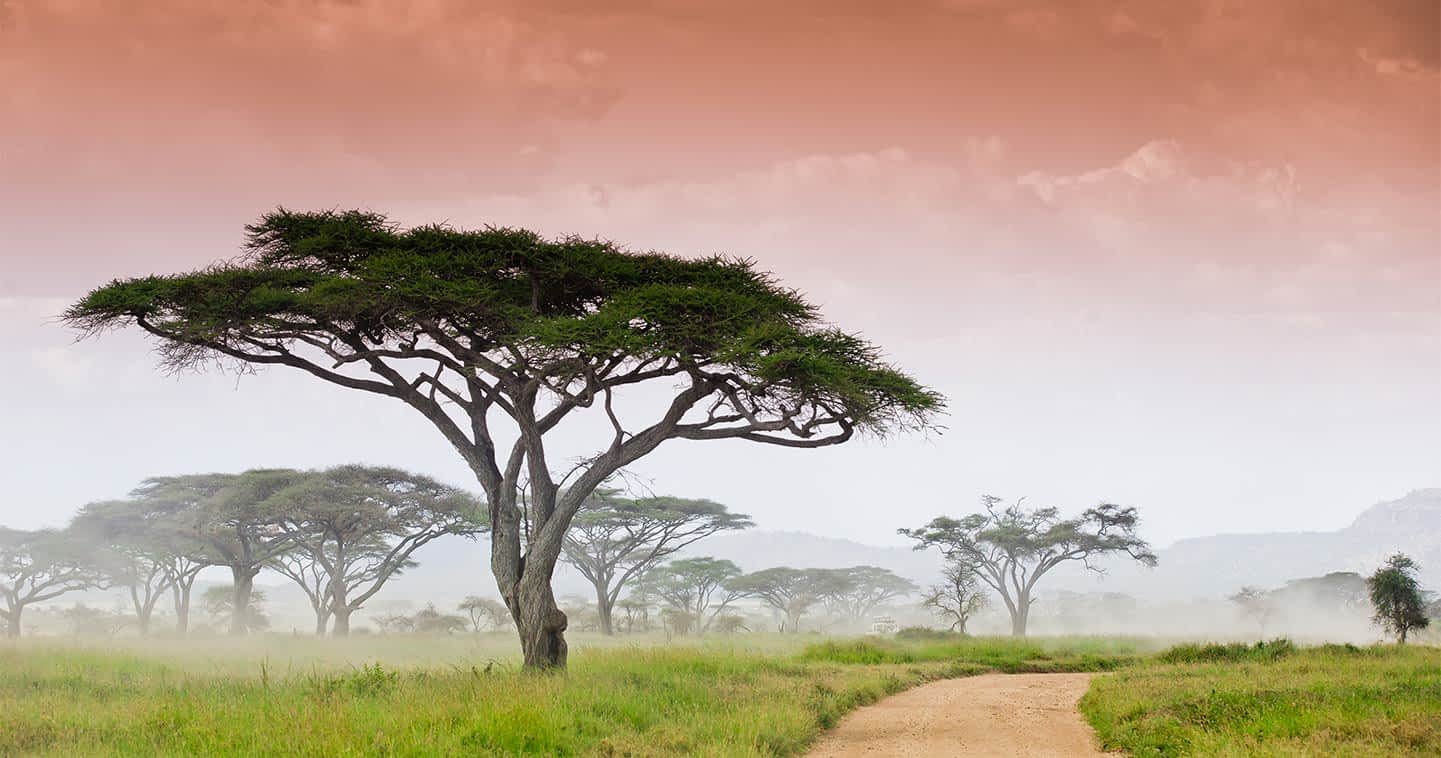
Serengeti’s landscape features endless savannah plains, rocky outcrops known as kopjes, riverine forests, and seasonal wetlands. The name “Serengeti” comes from the Maasai word Siringet, meaning “the place where the land runs on forever.”
Best Time to Visit
June to October: Best for wildlife viewing and river crossings during the migration.
January to March: Calving season in the southern plains.
April to May: Green season with fewer crowds and lush scenery.
Activities
Game drives
Hot air balloon safaris
Bird watching
Photographic safaris
Cultural visits to Maasai communities
Why Visit Serengeti?
Serengeti offers an authentic African safari experience with unmatched wildlife density, dramatic landscapes, and unforgettable sunsets. It remains one of the most celebrated conservation areas in the world and a UNESCO World Heritage Site.